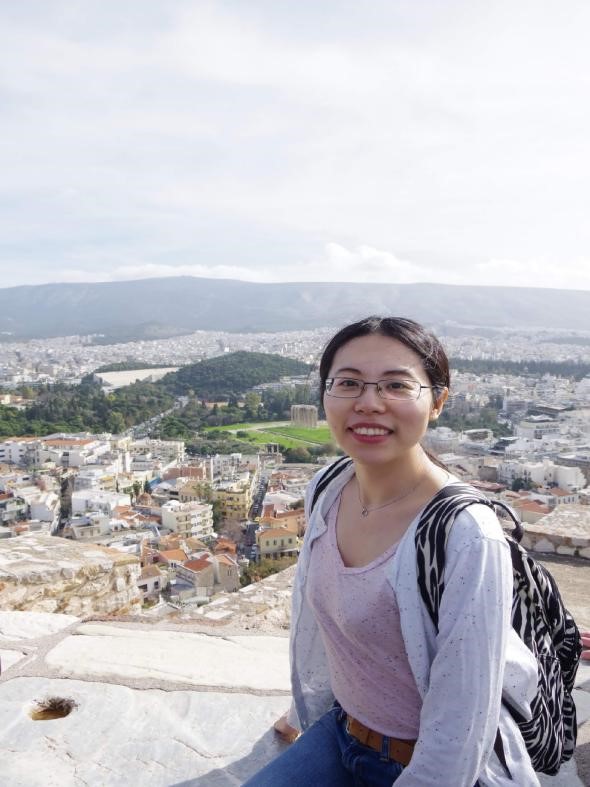
学术职务:
山东大学生活质量与公共政策研究中心专任研究员
山东大学公共治理研究院副教授
研究方向:
社会影响与态度改变、环境心理学、健康传播学
主讲课程:
管理心理学、政治心理学
主持承担的科研项目:
2020- “黄河三角洲区域居民生态保护意愿的测评与干预”,山东大学青年团队项目
2016-2017 “How Differences between Independent and Interdependent Self-Construal Could Influence the Effectiveness of Self-Persuasion.”, 欧洲社会心理学会Seedcorn项目
2015-2019 “自我说服在态度改变中的应用-来自跨文化的证据”,中国留学基金委博士研究生项目
学术会议报告:
2018年8月 “2018美国心理学学术年会 (APA)” 旧金山 参会并报告“Self-Persuasion Increases Healthy Eating Intention Depending on Cultural Background”
2017年3月 “国际心理学学术会议(ICPS)” 维也纳 参会并报告“Persuasion and Smoking-Related Outcomes: Does Self-Construal Moderate?
2013年11月 “第十六届中国心理学学术会议” 南京 参会并报告“中国大学生的强迫购买行为”
发表论文:
[1] Li, S., van Baaren, R. B., & Müller, B. C. (2020). The influence of culture and close others on the effectiveness of (self)-persuasion. The Journal of General Psychology, 1-30. DOI:https://doi.org/10.1080/00221309.2020.1803193
[2] Li, S., van Halen, C., van Baaren, R., & Müller, B. C. N. (2020). Self-persuasion Increases Healthy Eating Intention Depending on Cultural Differences. International Journal of Environmental Research and Public Health, 17, 3405. DOI:10.3390/ijerph17103405
[3] Li, S., Ritter, S. M., Bi, C., van Baaren, R., & Müller, B. C. N. (2019). Does Smokers’ Self-Construal Moderate the Effect of (Self-)persuasion on Smoking? Health Psychology Bulletin, 3(1), 21–37. DOI: https://doi.org/10.5334/hpb.17
[4] Müller, B. C. N., Haverkamp, R., Kanters, S., Yaldiz, H., Li, S* (通讯作者) (2019). Social tobacco warnings influence implicit associations and explicit cognitions in adults, but not in teenagers. Frontiers in Psychology, 10, 324. DOI: https://doi.org/10.3389/fpsyg.2019.00324
[5] Li, S., Unger, A., & Bi, C. Z. (2014). Different facets of compulsive buying among Chinese students. Journal of Behavioral Addictions, 3(4), 238-245. DOI: 10.1556/JBA.3.2014.4.5
[6]李爽, 毕重增, 黄丽. (2014). 反思自我评价对自信的影响:关系型自我构念的调节作用. 心理科学, 37(2), 400-404.
学术获奖:
2019年拉德堡德大学行为科学学院-最佳学术期刊论文一等奖
2018年美国心理学学术会议优秀展板报告奖
2013年“全国心理学学术大会第五届优秀论文”三等奖



 当前位置:
当前位置: